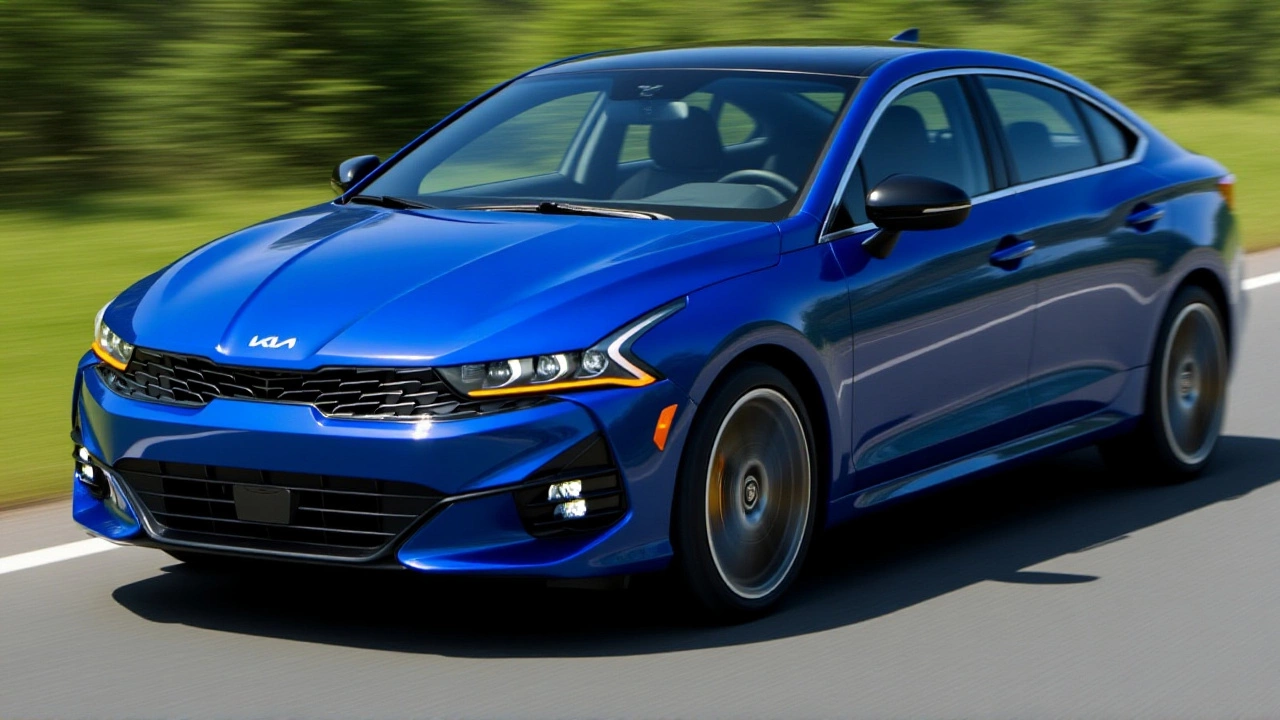

More than 335,000 vehicles are being pulled off U.S. roads after a dangerous defect was found in the fuel systems of popular Kia and Hyundai sedans — one that could cause the fuel tank to melt and leak gasoline near scorching exhaust components. The National Highway Traffic Safety Administration announced the recall on November 18, 2023, targeting 250,547 Kia K5 sedans (2021–2024) and 85,043 Hyundai Sonata sedans (2020–2023), all equipped with the 1.6-liter turbocharged engine. The problem isn’t just a glitch — it’s a ticking time bomb under the hood.
How a Tiny Valve Could Melt a Fuel Tank
The culprit? A single component inside the evaporative emissions system: the purge control system check valve. It’s small, inexpensive, and easily overlooked — until it fails. Over time, this valve can degrade, allowing air pressure to build up inside the fuel tank. When that pressure hits just the right (wrong) conditions, the tank swells slightly. And if it expands enough to touch the exhaust manifold — which regularly hits temperatures over 500°F — the plastic fuel tank can soften, warp, and eventually melt.
It’s not theoretical. Kia’s own recall notice warns: "Localized melting of the fuel tank may occur, possibly resulting in a fuel leak." Hyundai’s documentation says the same. One leak, one spark, and you’ve got fire. And in a garage, a parking deck, or worse — during a crash — that’s not just a repair bill. It’s a life-or-death scenario.
What Owners Need to Do — And When
Here’s the twist: Only about 1% of the recalled Kia K5s — roughly 2,505 vehicles — are estimated to have the actual faulty valve. But NHTSA isn’t taking chances. Every single one of the 335,590 vehicles must be inspected. No exceptions.
Starting in December 2023, owners will get letters from Kia Motors America and Hyundai Motor America with instructions to schedule a free repair. The fix? Two steps: replace the defective check valve, then inspect the fuel tank for any signs of warping or thinning. The whole job takes about 90 minutes, and parts are already in place at all 756 Kia and 815 Hyundai dealerships across all 50 states and Puerto Rico.
Starting December 1, 2023, you can check your VIN on the NHTSA website to confirm if your car is included. No need to wait for the mail. If you smell gasoline, notice the tank looks bloated, or see an evaporative emissions warning light — don’t wait. Call your dealer now.
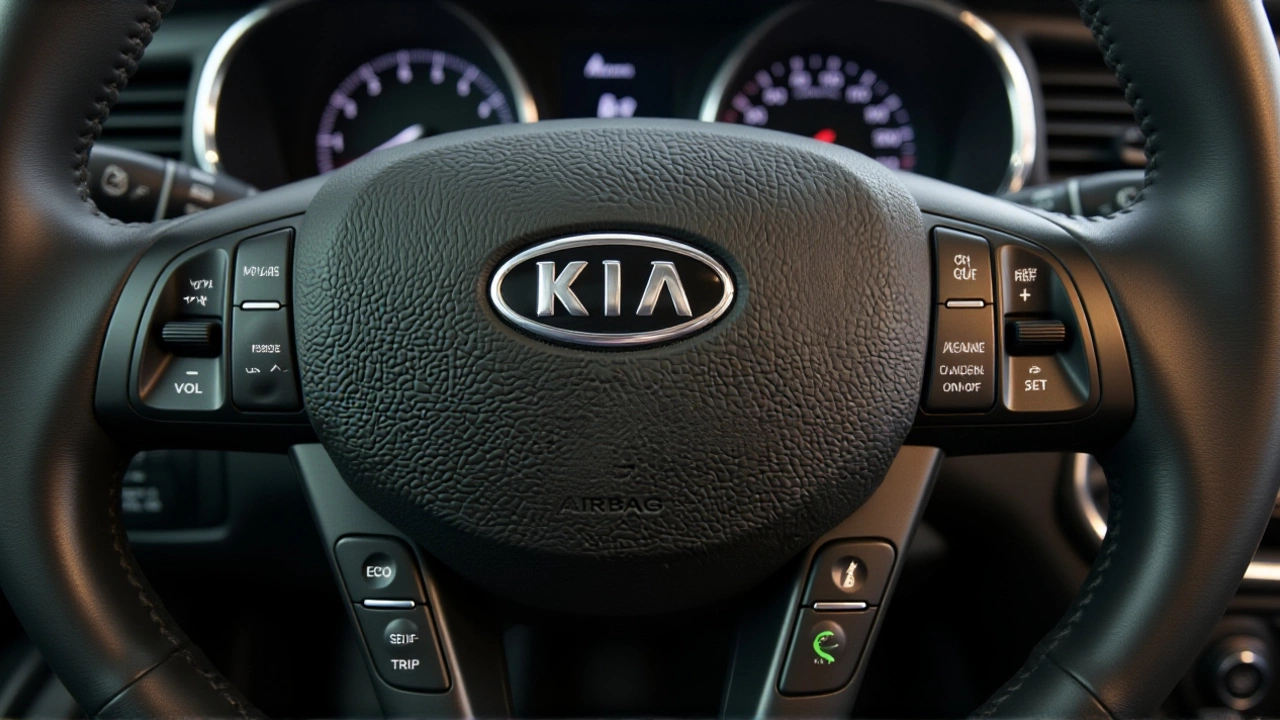
A Pattern of Recalls — Not a Coincidence
This isn’t the first time Kia and Hyundai have had to scramble. Just last month, Hyundai recalled 135,000 vehicles for electrical shorts during collisions. In July 2023, Kia issued two recalls totaling over 300,000 vehicles for loose door and window components that could detach on the highway. Earlier this year, both companies recalled more than 200,000 electric vehicles for battery power failures.
It’s enough to make you wonder: Is this a quality control issue? A design flaw? Or something deeper? Industry analysts point to aggressive cost-cutting during the pandemic supply chain crunch. Engineers were under pressure to deliver new models fast — and sometimes, corners got cut. The purge valve isn’t expensive. But it’s critical. And when it fails, it fails catastrophically.
Who’s Paying? And How Much?
Both companies are footing the bill — $100 per vehicle, on average, for parts and labor. That’s roughly $33.5 million in total. Neither Kia nor Hyundai has publicly disclosed whether they’ve set aside reserves for this. But with the NHTSA watching closely, they’re not going to risk fines or lawsuits. The agency has the power to levy penalties of up to $22 million per violation — and they’ve already signaled they’re not bluffing.
It’s also worth noting: Ford recalled nearly 230,000 Broncos in October for instrument panel failures. Honda recalled 250,000 vehicles for loss of control. Even Costco recalled Caesar salad over plastic bits. In 2023, safety recalls became the norm — not the exception.

What’s Next?
Expect more scrutiny. The NHTSA has already opened a preliminary evaluation into the fuel tank issue — a step that often leads to formal investigations. If more cases emerge, the recall could expand to other models. Hyundai and Kia are also under congressional review for their broader safety culture.
For now, if you own one of these cars — don’t panic. But don’t ignore it either. This isn’t a "fix it when you get around to it" kind of problem. It’s a "do it now" one. The fuel tank isn’t supposed to melt. And if it does, you won’t get a second chance.
Frequently Asked Questions
How do I know if my Kia K5 or Hyundai Sonata is part of this recall?
Visit the NHTSA’s official recall lookup tool at nhtsa.gov/recalls and enter your 17-digit VIN or license plate number. The database went live on December 1, 2023. You can also call your local Kia or Hyundai dealership with your VIN — they’ll check it against the recall list instantly. If you received a letter in December, your car is confirmed.
Is it safe to drive my car until I get it repaired?
If you don’t smell fuel, see tank bulging, or get an emissions warning light, driving short distances is considered low-risk — but not risk-free. Avoid long trips, high-speed driving, or parking in enclosed spaces like garages. The danger arises only after prolonged exposure to heat under the hood. Still, NHTSA advises scheduling the repair as soon as possible. Don’t wait for a leak to happen.
Why only the 1.6-liter turbo engines?
The 1.6-liter turbo engine generates more heat and higher exhaust temperatures than the naturally aspirated versions. The purge valve design used in these engines is also more prone to pressure buildup due to its specific integration with the evaporative emissions system. Non-turbo models, even in the same model years, were not affected because their exhaust systems don’t reach the same thermal thresholds.
What if I already paid to fix this issue before the recall?
You may be eligible for reimbursement. Contact Kia or Hyundai customer service directly with your repair receipt and VIN. Both companies have established reimbursement protocols for owners who paid out-of-pocket for the same repair after the defect became known. Keep all documentation — including service records and invoices — as proof.
Could this recall expand to other models?
Yes. NHTSA is investigating whether the same purge valve design is used in other Hyundai and Kia models with turbo engines, including the Sportage and Seltos. While no expansion has been announced yet, the agency has opened a formal defect investigation (EA24004). If similar patterns emerge in other vehicles, the recall could grow significantly — possibly into the hundreds of thousands more.
Why didn’t this show up in earlier inspections?
The valve failure is gradual and doesn’t trigger standard diagnostic codes until the tank is already deforming. Most routine maintenance checks don’t involve removing the fuel tank or measuring internal pressure. The defect was only identified after a series of rare fuel odor complaints led NHTSA to conduct pressure tests under simulated heat conditions — something dealers don’t typically do.