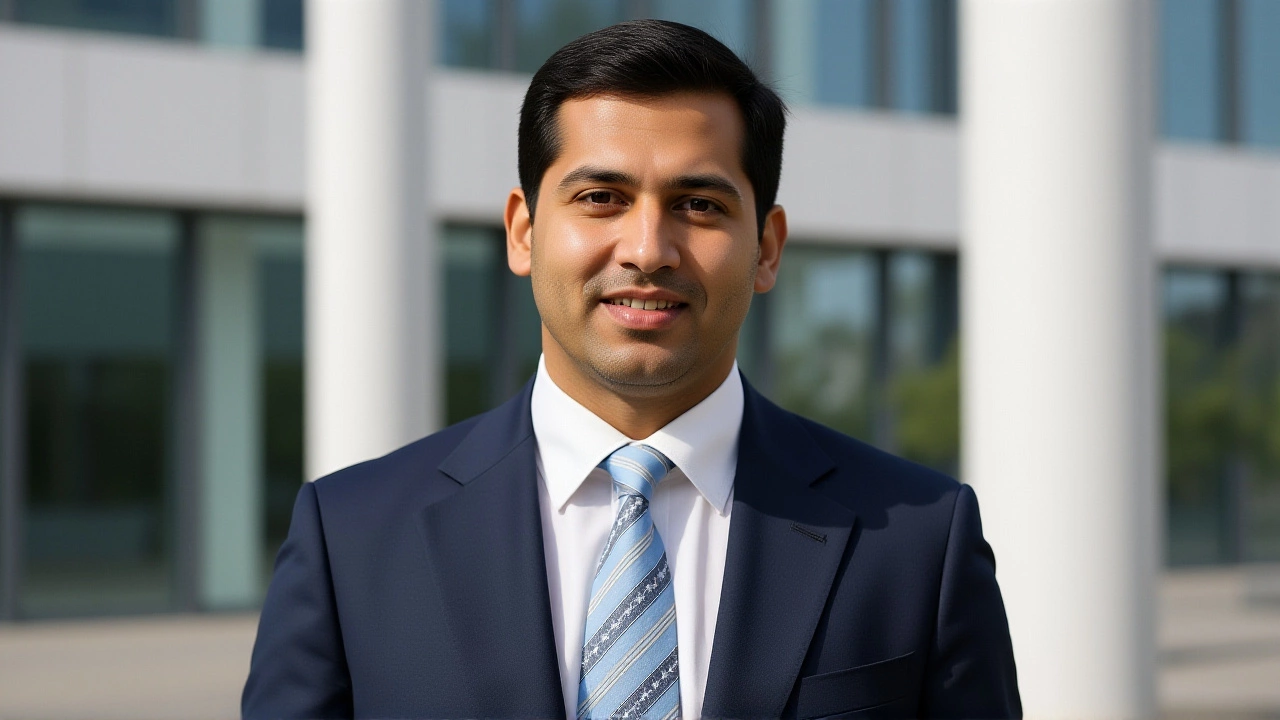

When Faisal Islam stepped into the role of Economics Editor at BBC News in summer 2019, few could have predicted how pivotal his voice would become in decoding Britain’s economic chaos. He replaced Kamal Ahmed, who moved into senior management, just as the UK was teetering through the final, fractious stages of Brexit negotiations. Islam didn’t just inherit a title—he inherited a nation in economic freefall, and he’s been translating the noise ever since.
A Journalist Who Speaks Money Like a Native Language
Islam’s path to the BBC’s top economics post wasn’t a straight line—it was a masterclass in financial storytelling. He started at The Observer as economics correspondent, then moved to Channel 4 News in 2004, where he became economics editor by 2007. There, he turned dry interest rate decisions into human stories: what a 0.25% hike meant for a single mother in Liverpool, or how a drop in manufacturing output shuttered a factory in Stoke-on-Trent. His 2009 work earned him Broadcast News Reporter of the Year—an award judges said turned "abstract economics into something accessible to all." In 2014, he swapped business for politics, taking over as Political Editor at Sky News after Adam Boulton’s departure. He covered the Scottish referendum, the EU referendum, and the collapse of the Conservative majority—all while keeping his economic lens sharp. When he left Sky in June 2019, Beth Rigby took his place. The transition wasn’t just a personnel shuffle—it was a passing of the torch in British political journalism.At the BBC: A Voice for Uncertainty
The BBC’s decision to appoint Islam was a quiet signal: we need clarity, not just coverage. Brexit wasn’t just about borders—it was about jobs, inflation, supply chains, and the future of the pound. Islam didn’t just report on the Bank of England’s rate decisions—he explained why they mattered to the pensioner in Brighton, the farmer in Cumbria, the tech startup in Manchester. His first major test? The 2019 general election, where economic policy dominated debates. He didn’t just ask candidates about tax cuts—he asked what they’d cut to pay for them. By 2020, his role expanded beyond analysis. He began filling in on Newsnight, a move that showed the BBC trusted him not just to interpret data, but to lead conversations. His calm, precise delivery became a fixture during lockdown briefings, when unemployment spiked to 4.8% and inflation crept toward 3%. He didn’t panic. He didn’t preach. He just laid out the numbers—and the human cost.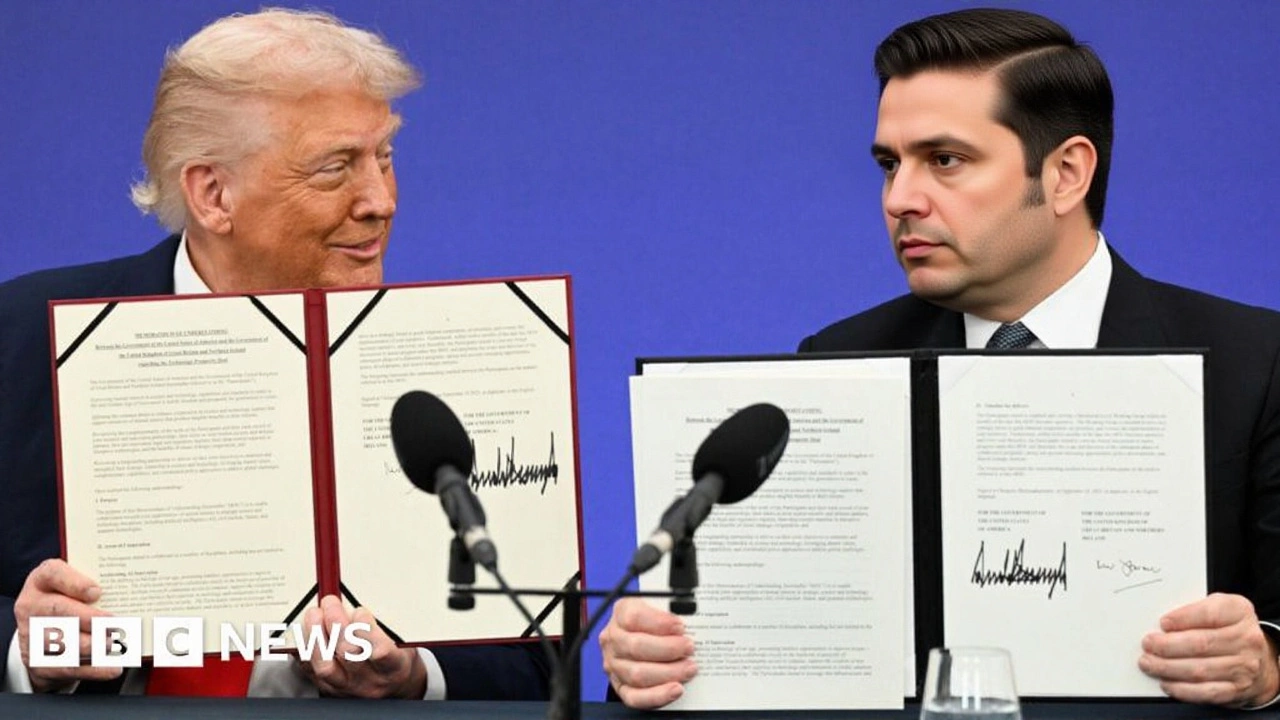
March 2025: The Edinburgh Moment
At the ICAS Annual Dinner National Museum of Scotland in Edinburgh, Islam faced a room of chartered accountants—people who live by balance sheets. He didn’t dazzle them with jargon. He told them about his 2012 trip to Moscow to meet Gazprom executives. "Friendly chaps!" he joked. Then he added: "But the business? Serious. No room for error." That’s the thread running through his career: the human behind the headline. He spoke of the UK’s economic crossroads: "There is a route through this where we slightly duck and dive and crystallise a bit of a middle ground—trade a bit with the US, trade a bit with the EU, maintain links with China—and that’s potentially quite compelling." On climate policy, he was blunt: "Maybe because the low-hanging fruit has been picked... we’re now in a situation where a lot of climate campaigners think it’s obvious we should now take the next few steps, which might involve changes to people’s lifestyles." It wasn’t a critique. It was an observation. And that’s his gift—he doesn’t tell you what to think. He tells you what’s happening, and why it matters.Why This Matters Now
The UK’s economy is still reeling from a decade of shocks: Brexit, pandemic, war in Ukraine, inflation spikes, and now a government trying to rebuild trust. Islam’s role isn’t just to report on GDP figures—it’s to help the public understand what those numbers mean for their paychecks, their mortgages, their children’s future. He’s become the quiet anchor in a storm of noise. His awards—the 2017 Royal Television Society Interview of the Year for his probing Q&A with David Cameron, the 2015 British Muslim Awards nomination—are not just honors. They’re proof that journalism still matters when it’s done with rigor, empathy, and clarity.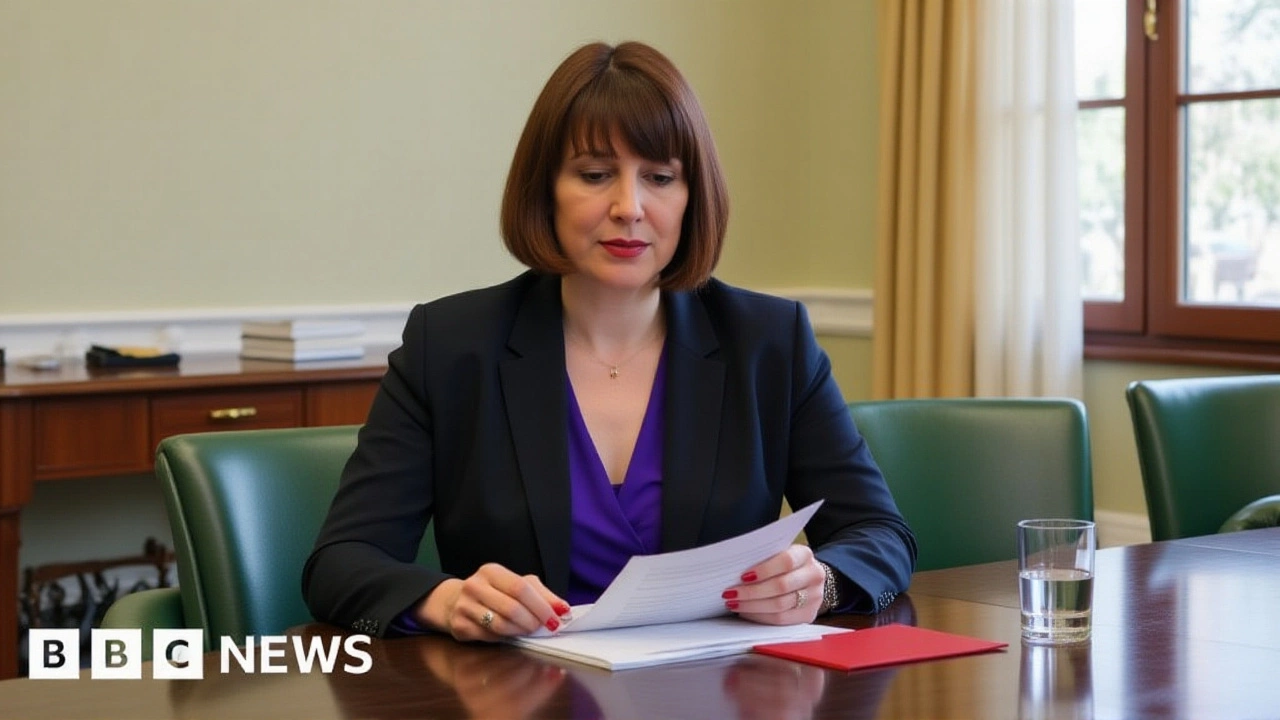
What’s Next?
With the next general election looming and the Bank of England weighing whether to cut rates again, Islam’s voice will be louder than ever. He’s already hinting at deeper dives into regional economic disparities—the gap between London and the North, the decline of coastal towns, the rise of green manufacturing in the Midlands. And he’s quietly building a new team of young reporters, training them not just to read spreadsheets, but to hear the stories behind them.He doesn’t need headlines. He just needs people to listen.
Frequently Asked Questions
How did Faisal Islam’s background at Channel 4 News shape his approach at the BBC?
At Channel 4 News, Islam developed a signature style of turning complex economic data into relatable human narratives—like explaining inflation through the cost of a weekly shop in Hull. This approach carried over to the BBC, where he made Bank of England decisions feel personal, helping viewers understand how policy changes affected real households, not just markets.
Why was his appointment at BBC News considered significant in 2019?
His hiring came during peak Brexit uncertainty, when the UK faced its most volatile economic period since the 2008 crash. With inflation rising and trade deals unresolved, the BBC needed a trusted voice to cut through political spin. Islam’s track record at Sky and Channel 4 made him the ideal candidate to provide calm, credible analysis during national anxiety.
What did Faisal Islam mean by a ‘middle ground’ for UK trade in 2025?
He suggested the UK could avoid choosing between the US and EU by maintaining flexible trade ties with both, while also preserving economic links with China. This isn’t about idealism—it’s pragmatism. The UK still exports £120 billion annually to the EU and £105 billion to the US; ignoring either side risks economic isolation. His view reflects the reality that Britain can’t fully decouple from either bloc.
How has Islam’s role evolved since joining the BBC?
He began as a pure economics editor but expanded into presenting Newsnight in 2020, stepping in during absences of regular hosts. This shift gave him a broader platform to contextualize economic trends within political and social developments—turning him from a specialist into a leading voice on national affairs.
What awards has Faisal Islam won, and why do they matter?
He won Broadcast News Reporter of the Year in 2010 for making economics accessible, and the Royal Television Society’s Interview of the Year in 2017 for his sharp, unflinching Q&A with David Cameron. These aren’t just trophies—they signal that his work elevated public understanding during moments of national confusion, proving journalism can be both rigorous and relatable.
Is Islam’s ‘middle ground’ trade strategy realistic given current political divisions?
It’s politically tricky but economically sound. The UK’s trade deficit with the EU widened to £102 billion in 2023, while its deficit with the US grew to £45 billion. A middle path avoids the costs of full decoupling—tariffs, supply chain delays, regulatory divergence. But it requires bipartisan consensus, which currently doesn’t exist. Islam’s point isn’t that it’s easy—it’s that ignoring it could be costlier.