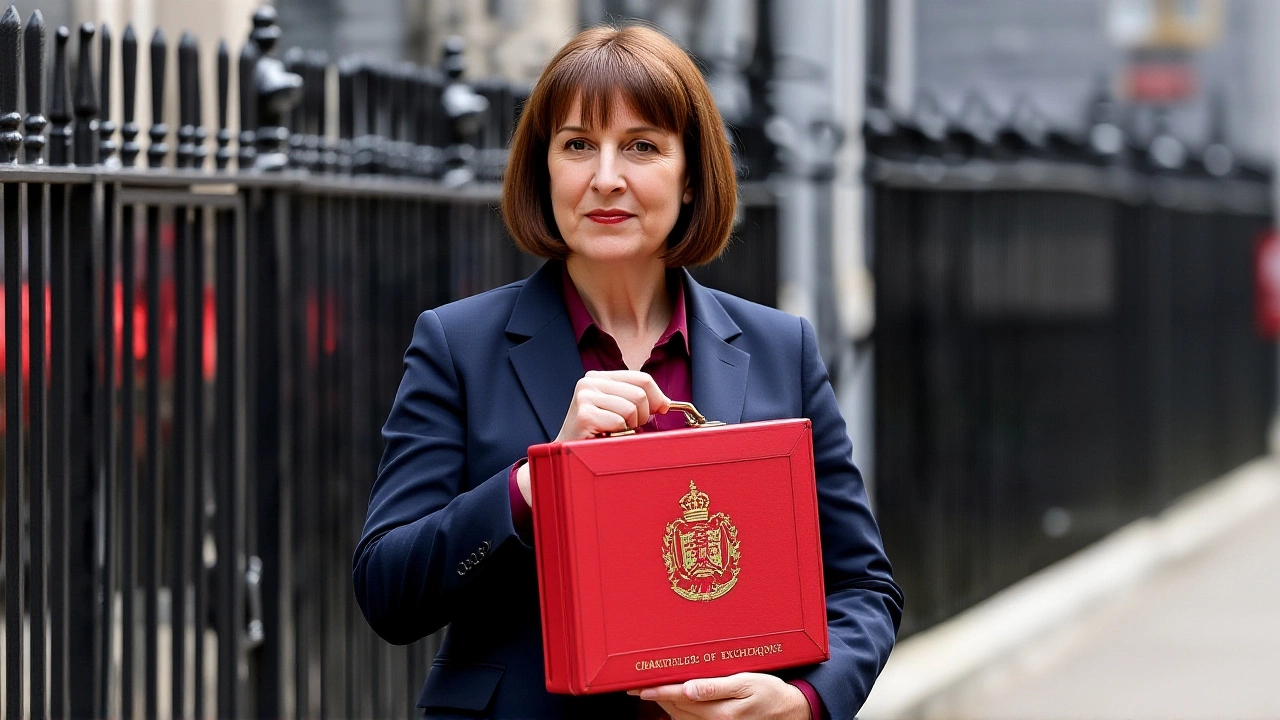

On Wednesday, March 26, 2025, Rachel Jane Reeves, the UK’s first female Chancellor of the Exchequer, stood before the House of Commons in the Palace of Westminster and delivered a stark message: Britain’s economic recovery won’t come from more spending — but from harder choices. Her Spring Statement 2025London wasn’t about fireworks. It was about foundations. And for millions of households already stretched thin, those foundations feel like they’re being laid with concrete.
"No New Taxes" — But the Pressure Is Still On
Reeves made it clear: no new income tax hikes, no VAT increases, no corporate surcharges. "As I promised in the autumn," she said, "this statement does not contain any further tax increases." But that doesn’t mean the burden has eased. Instead, the government is turning up the heat on those who avoid paying what they owe. A £1 billion boost to HM Revenue and Customs’s tech capabilities — including AI-driven data matching and digital tracing tools — is expected to net £7.5 billion over the next five years. That’s the real story here: enforcement, not extraction.And for those who still pay late? The cost just went up. From April 6, 2025, HMRC’s interest rate on overdue tax payments will rise by 1.5 percentage points — a move that hits small businesses and self-employed workers hardest. It’s a quiet but powerful signal: compliance isn’t optional anymore.
Defence, Nuclear, and the New Industrial Strategy
One of the most surprising elements of the statement wasn’t in the budget numbers — it was in the locations. Barrow, Cumbria, a quiet coastal town known for building Britain’s nuclear submarines, is getting £200 million to upgrade its shipyard and workforce training. The investment, confirmed in close coordination with local MP Simon Fell, is part of a broader push to anchor national security in regional regeneration.Similarly, Portsmouth Naval Base in Hampshire will receive targeted funding — a nod to MP Stephen Morgan’s long-standing advocacy. These aren’t just infrastructure projects. They’re political statements: the state is betting on industrial heritage as the backbone of future resilience.
And then there’s defence. An additional £2.2 billion will flow into the Ministry of Defence over the next fiscal year, accelerating the UK’s path to meet NATO’s 2.5% GDP target by 2027. That’s not just about tanks and jets — it’s about supply chains, skilled manufacturing jobs, and long-term economic multiplier effects. The defence sector now accounts for nearly 1.8% of GDP. With this injection, it’s heading toward 2.3% by 2026.

The Growth Paradox: Slower Forecasts, Bigger Surpluses
The Office for Budget Responsibility (OBR), under Richard Hughes, delivered a sobering update: UK growth for 2025 is now forecast at just 1%, down from 2% just months ago. Borrowing costs are climbing. Inflation, though easing, remains stubborn at 2.8%. The Bank of England, led by Andrew Bailey, has held rates steady at 4.5% — a decision Reeves called "prudent, but painful."Yet, against this backdrop, the fiscal trajectory is remarkably optimistic. The deficit is projected to shrink from £36.1 billion in 2025-26 to a £6 billion surplus by 2027-28 — and £9.9 billion by 2029-30. How? By cutting £5 billion from welfare spending, mostly through tighter eligibility rules and reduced housing benefit caps. It’s a move that’s drawn sharp criticism from charities, but Reeves argues it’s necessary to "avoid burdening future generations with debt we didn’t earn."
"Real household disposable income will rise by £500," Reeves declared. But the OBR’s own report (paragraph 2.47) quietly notes this won’t happen until 2029–2030 — and only if the government stops freezing tax thresholds. That’s a big "if." The last time thresholds were adjusted for inflation? 2021. Since then, millions have been pushed into higher tax bands without ever getting a raise.
What’s Working — And What’s Not
Reeves pointed to three wins since July 2024: three Bank of England rate cuts, five straight months of falling NHS waiting lists, and a record £12 billion boost to the National Health Service. The National Living Wage, now £12.25 for workers over 21, has lifted incomes for 3 million people. Those are tangible improvements.But the pain is real too. Food bank usage remains 40% higher than pre-pandemic levels. The cost of childcare still eats up 70% of average earnings for a second parent in London. And while the government touts "faster infrastructure approvals," the planning system still averages 18 months for a medium-sized development. Speed is the promise. Delivery? Still lagging.

What Comes Next?
The next major test comes in the autumn — the 2025 Autumn Budget. Will the government dare to unfreeze tax thresholds? Will it introduce targeted relief for low-income families, or double down on austerity? And will the £200 million for Barrow translate into actual new jobs — or just more contractors and consultants?One thing is certain: the Labour government’s economic strategy is no longer about stimulus. It’s about consolidation. About discipline. About proving that fiscal responsibility doesn’t mean abandoning fairness — but demanding it from everyone, equally.
Frequently Asked Questions
How will the £5 billion welfare cut affect low-income families?
The cuts primarily target housing benefit caps, disability support eligibility, and universal credit taper rates. The Institute for Fiscal Studies estimates up to 600,000 households could lose an average of £1,200 annually, with single parents and disabled claimants most affected. While the government claims savings will be reinvested in work incentives, critics argue it pushes more people into low-paid, insecure jobs without addressing root causes like housing shortages.
Why is the OBR’s growth forecast so low?
The OBR cites three main factors: higher-than-expected borrowing costs (UK 10-year gilt yields are at 4.2%), weaker global demand (especially from the EU and China), and lingering productivity stagnation. Business investment has dropped 1.8% year-on-year, and consumer confidence remains below pre-2022 levels. Even with lower inflation, households are still spending less on non-essentials — a key drag on growth.
What’s the real impact of the HMRC tax evasion crackdown?
The £1 billion investment targets digital platforms, crypto transactions, and offshore income — areas where evasion has grown since 2020. HMRC’s new AI system can now cross-reference bank data, Uber and Airbnb earnings, and even social media posts to flag discrepancies. Last year, it recovered £6.5 billion; this year’s target is £1.8 billion. The real win? A cultural shift: more people now believe tax avoidance is socially unacceptable.
Will the defence spending boost create real jobs outside London?
Yes — and that’s the point. Barrow’s shipyard already employs 7,000 people; the £200 million will add 1,200 skilled roles over five years. Similar investments in Portsmouth, Fife, and Rosyth will create another 2,500 jobs in naval maintenance and engineering. Unlike urban tech hubs, these are long-term, unionized positions with apprenticeship pathways — a rare bright spot in the UK’s regional economic map.
Why hasn’t the government unfrozen tax thresholds?
Freezing thresholds — where income tax bands haven’t adjusted for inflation since 2021 — has raised £14 billion in "fiscal drag" since 2022. The Treasury sees this as a stealth tax increase that helps meet deficit targets without raising rates. But with inflation still above target, over 4 million workers are now paying higher rates than they did in 2020 — even if their real income hasn’t changed. Unfreezing would cost £4 billion annually, which Reeves says would derail the 2029 surplus target.
Is the UK on track to balance its budget by 2029?
According to the OBR’s baseline forecast, yes — but only if growth holds at 1.5% annually and no major shocks hit. A 0.5% drop in growth would push the surplus target to 2031. The plan relies heavily on tax evasion recovery and welfare savings — both politically vulnerable. If public trust in HMRC erodes, or if welfare cuts trigger legal challenges, the entire timeline could unravel.